
Development
Protect customer information in an online store
Document which information the store collects, who can access it and which payment details the provider handles.
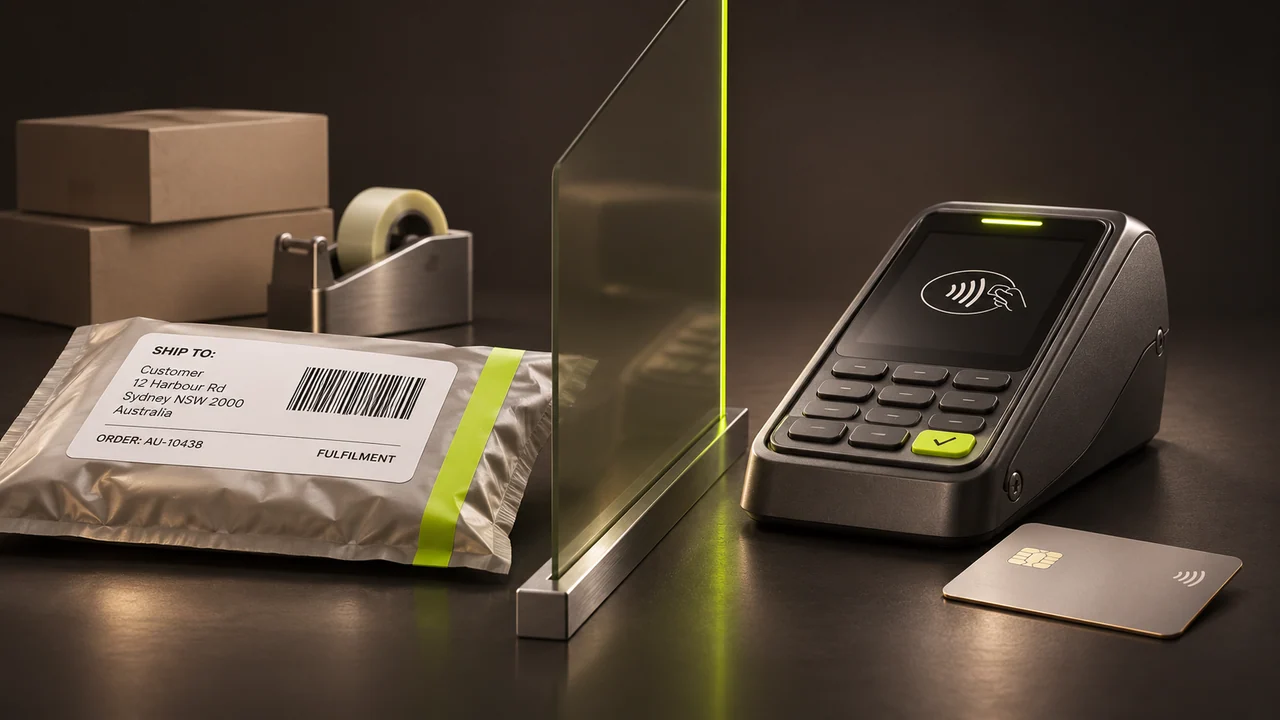
Start with a map of what your online store collects. An order address serves a clear fulfilment purpose. Extra information accumulated in exports, analytics tools, inboxes and old admin accounts can be harder to protect.
Limit access and collection
Only collect information needed for a defined purpose. Give staff individual accounts with the permissions their jobs require, enable multi-factor authentication where available and remove access when staff or suppliers leave.
Understand the payment boundary
HTTPS protects traffic between a customer and the endpoint. It does not control who can access an application or how information is stored. Ask the payment provider which payment details reach your infrastructure and which parts of the integration remain your responsibility. The PCI Security Standards Council explains that outsourcing processing does not remove all merchant obligations.
Keep the store recoverable
Allocate responsibility for platform updates, extensions, monitoring and backups. Keep backups appropriately protected and test restoring to a separate environment. Avoid using customer data in routine testing where synthetic records will do.
Prepare for a problem
Record how staff should report suspicious activity and who can reach the host or payment provider. If personal information may have been exposed, follow the business’s incident process and obtain appropriate advice on obligations and notification.